How to Audit & Fix a DeepL- or AI-Translated Website Before Launch in Germany
Spot the exact grammatical telltales, stiff Nominalstil clauses, Title Case headings, and punctuation slips that expose AI-translated German pages.
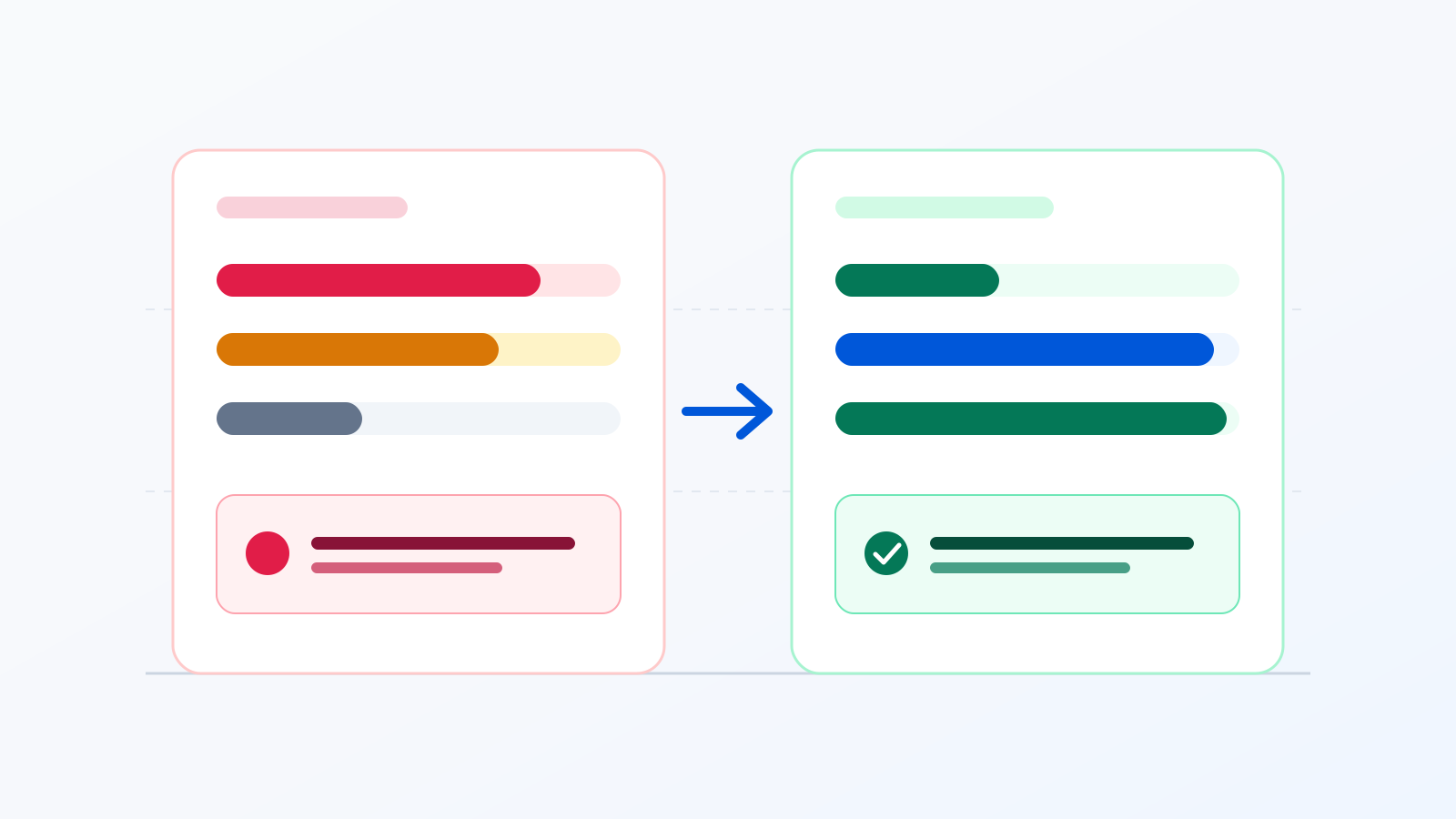
DeepL and frontier LLMs translate individual English sentences with high grammatical fluency—yet DACH B2B buyers bounce within seconds off unedited AI-localized pages. The reason is rarely blatant gibberish; instead, buyers sense cold bureaucratic stiffness, inconsistent tone, and dozens of invisible English structural habits surviving beneath German vocabulary.
Five Telltale Clues That Immediately Expose Raw AI German
When human decision-makers audit a vendor's /de/ site, subtle structural slips trigger skepticism long before a typo ever appears:
- Bureaucratic Noun Stacking (Nominalstil): Neural MT engines love turning clear English gerunds ("Simplifying deployment for agile teams") into sluggish
-ungchains („Durchführung der Bereitstellungsvereinfachung für agile Teams“). - Literal Passive Constructions: Translating English progressive clauses mechanically stacks auxiliary verbs („wird automatisiert bereitgestellt werden können“), bloating sentence weight cleanly above German LIX 55.0 limits.
- English Title Case Headlines: AI outputs often mirror capitalized English headings („Entdecken Sie Die Neue Plattform Für Ihr Team“), which looks distinctly non-native in German where only nouns and sentence starts capitalize.
- Register Whip-Lash Between Sie and Du: Translating component libraries in isolated JSON keys turns hero headlines formal („Starten Sie jetzt“) while micro-tooltips remain informal („Klicke hier“).
- Broken Typographic Punctuation & Currency Syntax: Machine pipelines routinely preserve English spacing (
€49/mo,40%,"Quote"), breaking DIN 5008 rules expected across serious German business publications.
Run our 4-Index live readability & quality scan on your draft →
Comparing Raw AI Output vs. High-Converting German Post-Editing
| Website Section | Unedited DeepL / LLM Draft | Native Post-Edited DACH Rewrite | Readability Impact |
|---|---|---|---|
| Hero Headline | Ermöglichen Sie die Skalierung Ihres Umsatzteams ohne Komplexität. | Mehr Umsatz im Vertrieb — ohne komplexe Einarbeitung. | LIX drops ~18 pts; crisp active verb cadence |
| Feature Summary | Diese Funktion wird für das Exportieren von Berichten verwendet. | Exportieren Sie fertige Berichte per Klick als CSV oder PDF. | Active imperative cuts syllable bloat by 32% |
| Pricing Subtext | €99/Monat, abgerechnet jährlich | 99 € pro Monat bei jährlicher Zahlung (zzgl. MwSt.) | Compliant DIN 5008 currency order + clear VAT note |
| Primary CTA Button | Starten Sie Ihre Kostenlose Testversion | 14 Tage kostenlos testen | Fixes Title Case & fits clean button width |
Your 20-Minute Pre-Launch MTPE QA Workflow
First Pass: Strip Structural Bloat & Clause Depth
Paste each landing section through our sentence analyzer to catch multi-clause snakes above 22 words and rewrite passive nouns back into concise German verbs. Keep homepage body LIX comfortably below 52.0 and Wiener WSTF-1 around 9–11.
Second Pass: Standardize Punctuation, Quotes & Legal Compliance
Normalize every decimal separator (1.250,00), unit space (14 Tage, 99 %), German quotation marks („…“), and required PAngV / DSGVO footer links across both templates and WordPress/Shopify theme strings.
Recommended Tools for This Playbook
Score German headlines, CTAs, and body prose across Amstad FRE, Björnsson LIX, Wiener WSTF-1, and MQM quality in one view.
Calculate German school-grade reading load using deterministic vowel-cluster syllable counting.
Detect multi-clause German sentences, heavy comma chaining, and subordinate bottlenecks that kill mobile comprehension.
Catch bureaucratic "-ung/-heit/-keit" noun stacks and weak passive constructions with active B2B rewrites.
Auto-fix missing percentage spaces (40% -> 40 %), € currency placement (400 €), units, and typographic „…“ quotes.