How to Configure Next.js /de/ Routing, Hreflang & Google.de SERP Titles Without Duplicate Content
Ship bug-free App Router internationalization for Germany, Austria & Switzerland with exact hreflang alternates, native URL slugs, and SERP pixel budgets.
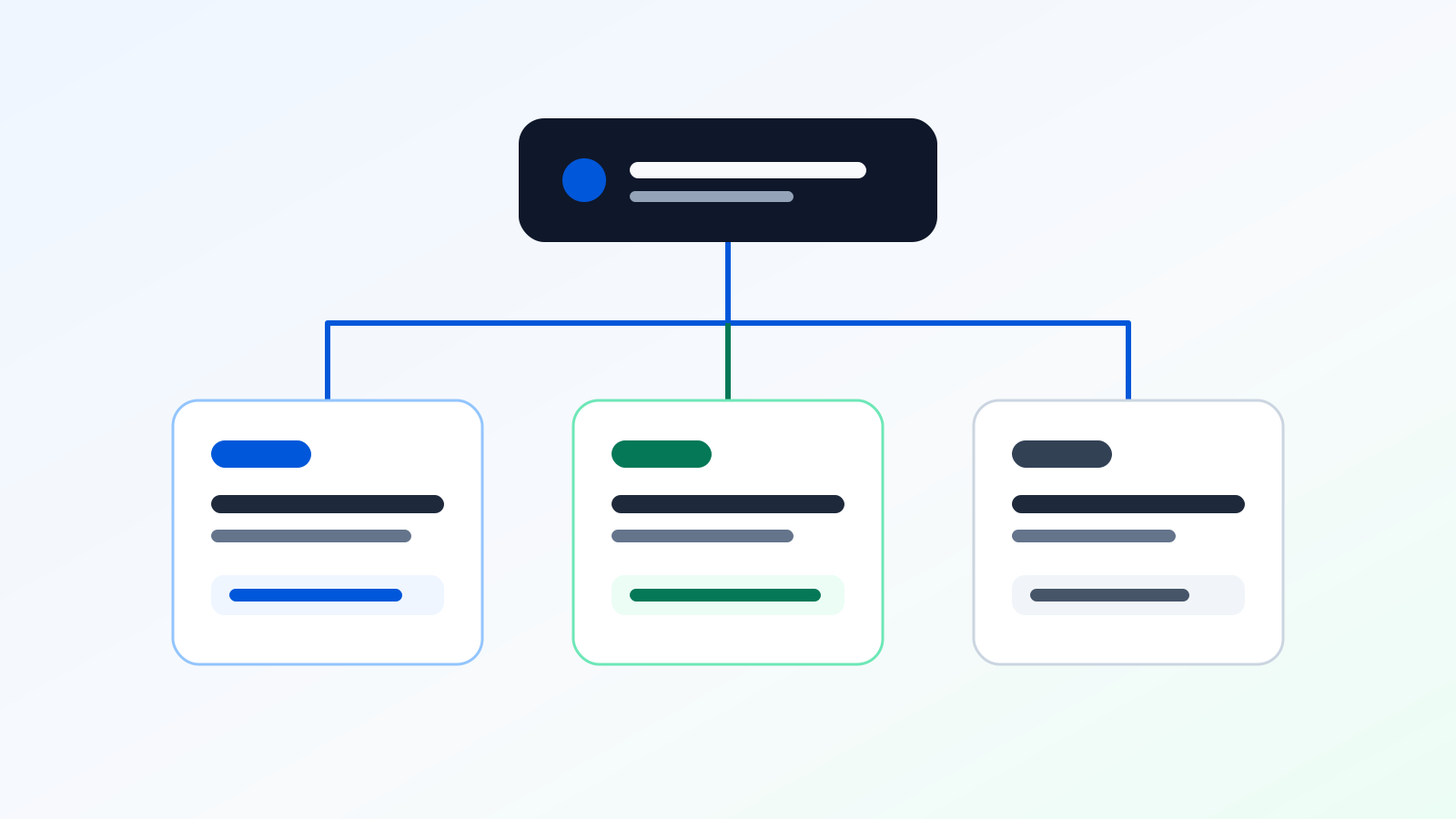
Engineering teams launching Next.js App Router storefronts across Germany routinely ship broken canonical/hreflang graphs or copy English SERP titles unchanged—causing Google.de to rank English pages above localized routes or truncate long compound headlines mid-word.
Avoiding the Five Most Expensive Next.js Internationalization SEO Bugs
Clean DACH search rankings rely equally on strict HTML metadata parity and realistic German pixel length budgeting:
- Self-Referencing & Symmetric Canonical + Hreflang Alternates: Every
/de/...page must declare its own canonical URL pointing to/de/...(never back to the English root!) alongside symmetricen,de, andx-defaultalternates. - Avoid Duplicate Auto-Prefixes Under
/en/: Pick one canonical scheme—either root/for English plus/de/for German (with 301/308 redirects from legacy/en/URLs), avoiding indexed mirror duplicates. - Reserve Native Translated Slugs Over
/de/english-slug: Google.de and human DACH searchers trust/de/tools/lix-rechnerand/de/anleitungen/...noticeably higher than unlocalized English slugs under/de/. - Never Exceed ~580px Desktop Title Width: Because German noun compounds run 25–45% wider than English equivalents, concise
<title>copy below 55–58 characters protects Google.de click-through rates. - Explicit
de-CHDifferentiation When Targeting Switzerland: If you run dedicated CHF checkout pages, distinguishhreflang="de-CH"fromhreflang="de-DE"and convertßtossconsistently.
Test German SERP pixel width & generate valid hreflang tags →
Recommended App Router Metadata & Routing Blueprint
| Localization Element | Risky Default Setup | Production-Safe DACH SEO Architecture |
|---|---|---|
<html lang> Attribute | Hardcoded lang="en" across routes | Dynamic segment layout sets <html lang="en"> vs <html lang="de"> on SSR |
Canonical URL on /de/... | Fallback points cleanly nowhere or to English / | Explicit per-route alternates.canonical: 'https://domain.com/de/...' |
| Hreflang Cluster | Missing x-default or unreciprocated one-way tag | Bidirectional en, de, and x-default link headers in SSR HTML & /sitemap.xml |
| Page Title & Description | Verbatim long English metadata translated wordy | Crisp ~52–58 char title; 125–155 char SERP description |
XML Sitemap & robots.txt | Draft slugs leaked into production sitemap | Strict publish-date filter excluding unready templates & raw API endpoints |
Checking UI & Meta Pixel Expansion Before Deployment
Whenever English product headings like "Pricing" become „Preise & Konditionen im Überblick“, navigation tabs wrap on mobile and Google strips trailing brand keywords in SERP snippets. Run both the Text Expansion Calculator and SERP Snippet Checker on metadata exports prior to every release build.
Recommended Tools for This Playbook
Convert de-DE/de-AT copy to Swiss Standard German (ss instead of ß) and audit Helvetism terminology.
Predict how +25–45% German expansion impacts nav tabs, pricing cards, and button line wraps before implementation.
Simulate German SERP pixel width truncation for desktop/mobile and generate clean de-DE / de-AT / de-CH hreflang tags.
Interactive pre-launch checklist covering WordPress menus, image descriptions, DIN 5008 spacing, formal "Sie" tone, and legal links.